
Selecting the Right Protection for Your Hardwood Floors
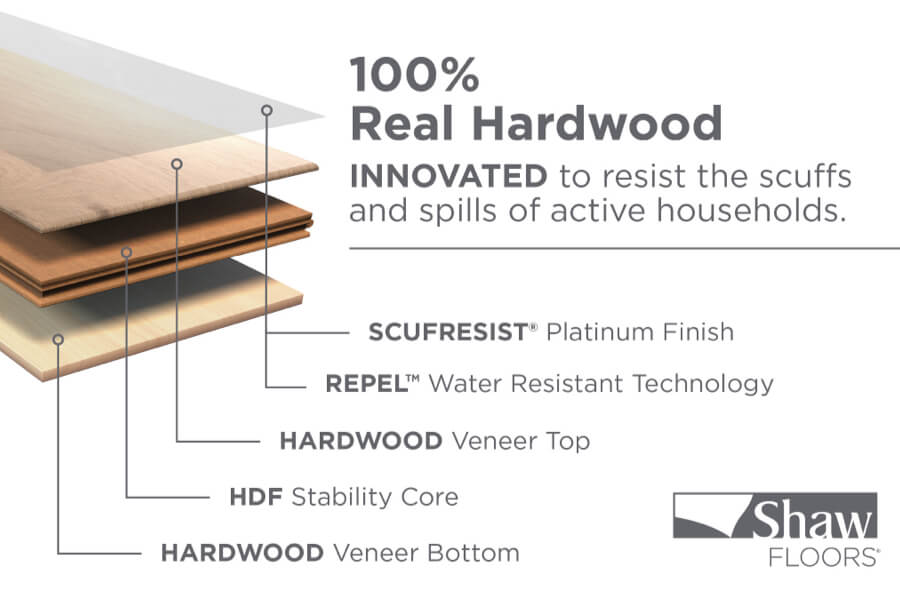
Choosing the right flooring for your home involves more than finding a wood species or color that catches your eye. The surface treatment applied to your floors dictates how they will handle everyday life, how they will age, and how much maintenance they will require over the next several decades. When you look at engineered or solid wood options, the terms used to describe their protective surfaces can feel overwhelming. Understanding the relationship between structural wear layers and top finishes is the key to investing in a floor that looks exceptional and performs reliably underfoot.
Every time you step onto a hardwood plank, your shoes interact with a carefully engineered barrier designed to shield the raw wood beneath. For engineered hardwood, the wear layer refers to the actual premium wood veneer that sits on top of the structural core layers. Above that wood layer sits the factory finish, which acts as a clear coat defense system against spills, scuffs, and sunlight. Balancing these two components allows you to customize your flooring choice to match the specific rhythm of your household, turning a major renovation project into a deeply rewarding design choice.
Evaluating the Top Layer of Engineered Wood
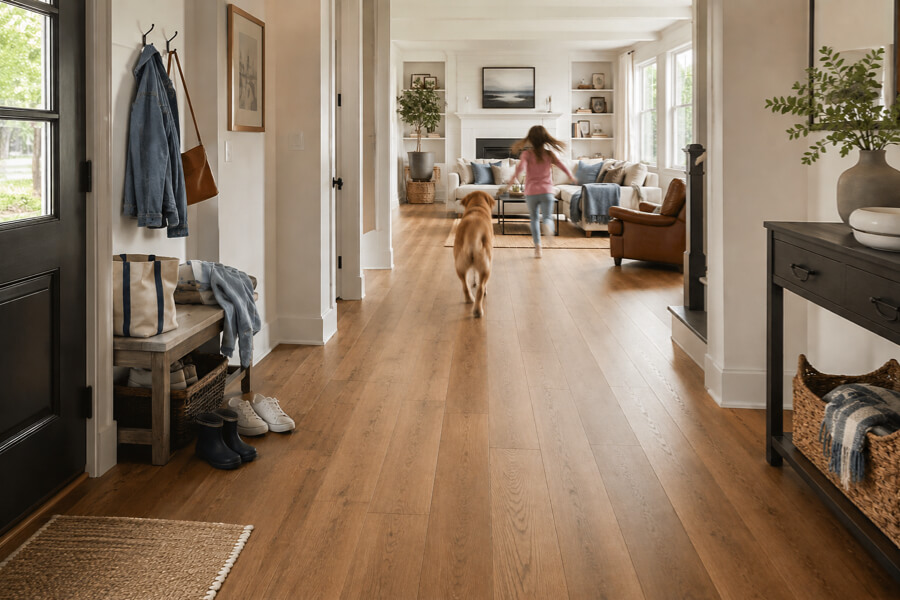
The wear layer of an engineered hardwood plank determines how many times a floor can be sanded and refinished over its lifespan. Unlike solid hardwood, which is uniform wood all the way through, engineered planks use a genuine wood veneer bonded to a structural plywood or high-density fiberboard core. This multi-layered construction provides exceptional stability against shifting humidity levels, but the thickness of that top veneer varies significantly between different collections. Paying close attention to this specification directly impacts the long-term value and structural integrity of your investment.
A thicker top layer provides a substantial cushion of real hardwood, allowing homeowners to completely sand down and restore the surface if deep scratches or dents accumulate over a decade of use. A thin veneer might only allow for a light screening process, which scuffs up and refreshes the top clear coat without altering the color or grain profile of the wood underneath. When browsing your choices at a local showroom, checking the exact millimeter measurement of the premium wood face gives you a direct line of sight into the true lifespan of the plank.
Thin wear layers typically measure around one to two millimeters in thickness. These options work incredibly well in secondary bedrooms, guest suites, home closets, or properties where residents prefer to walk without heavy outdoor footwear. Because these floors cannot undergo heavy deep-sanding down to the raw wood, they represent a highly practical, budget-conscious selection for spaces that experience low daily foot traffic and minimal structural stress.
Thicker wear layers range anywhere from three to six millimeters. These robust options offer the exact same refinishing potential as solid hardwood floors, giving you the ability to sand the surface multiple times over fifty years. If you live in a bustling household with active children, large pets, or frequent dinner guests, investing in a thicker top layer ensures that your floors can evolve with your home, allowing for complete style, stain, or color updates down the road as design trends change.
Exploring Modern Factory Finishes
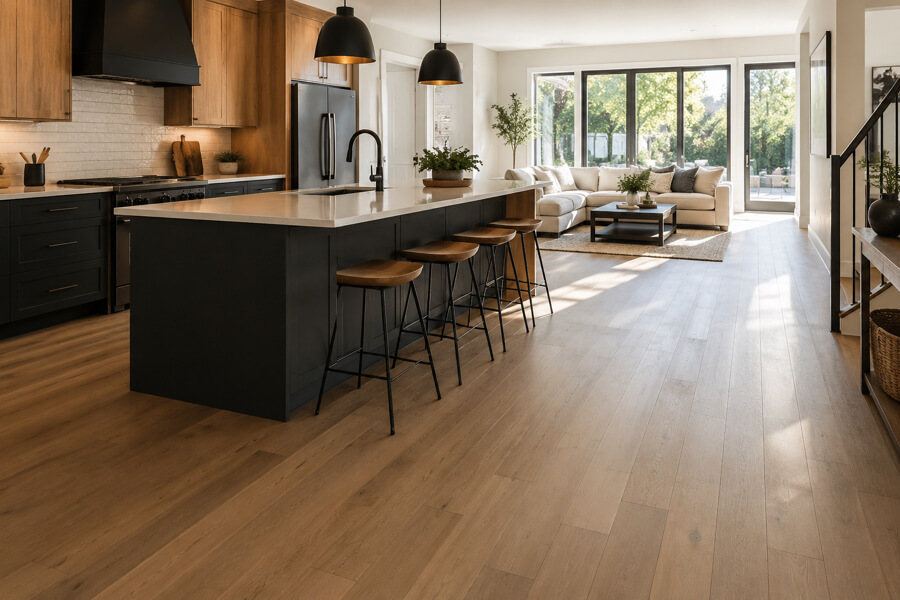
Once you decide on the structural thickness of your wood veneer, the actual liquid finish applied to the surface dictates your daily cleaning routine and overall visual texture. Modern manufacturing utilizes advanced curing techniques to lock in protection before the planks ever arrive at your home, eliminating the mess and long drying times associated with old-fashioned site finishing. The two primary categories of factory finishes offer vastly different styles, affecting how ambient light reflects across your rooms and how small everyday scratches blend into the natural grain pattern.
The finish acts as the absolute frontline shield against the chaos of daily life. Polyurethane coatings create a hard, protective shell directly over the wood cells, sealing the floor completely against minor liquid spills, dropped kitchen utensils, and tracking moisture. Penetrating oil finishes take a completely opposite approach, soaking deep into the porous wood fibers to strengthen the material from within rather than creating a glossy plastic barrier on top of the organic surface.
Acrylic or polyurethane finishes often include microscopic particles of aluminum oxide, one of the hardest natural minerals available on earth. This protective mixture is applied in multiple thin layers at the manufacturing plant and cured instantly under specialized ultraviolet lights. The result is an incredibly tough transparent layer that prevents high heels, pet claws, and dragged dining chairs from reaching the actual wood grain. These finishes come in a range of sheen levels, from traditional high gloss to low-luster matte, allowing you to control the brightness of your interior spaces.
A satin or matte polyurethane finish is highly effective at concealing dust, airborne lint, and minor tracks between weekly cleanings. The main characteristic to note with these tough coatings is that polyurethane scratches tend to show up as slight white marks on the clear surface coat. Repairing these marks usually requires refreshing an entire section of the room or replacing an individual plank rather than touching up a single spot, making it a system built for absolute resistance rather than quick spot alterations.
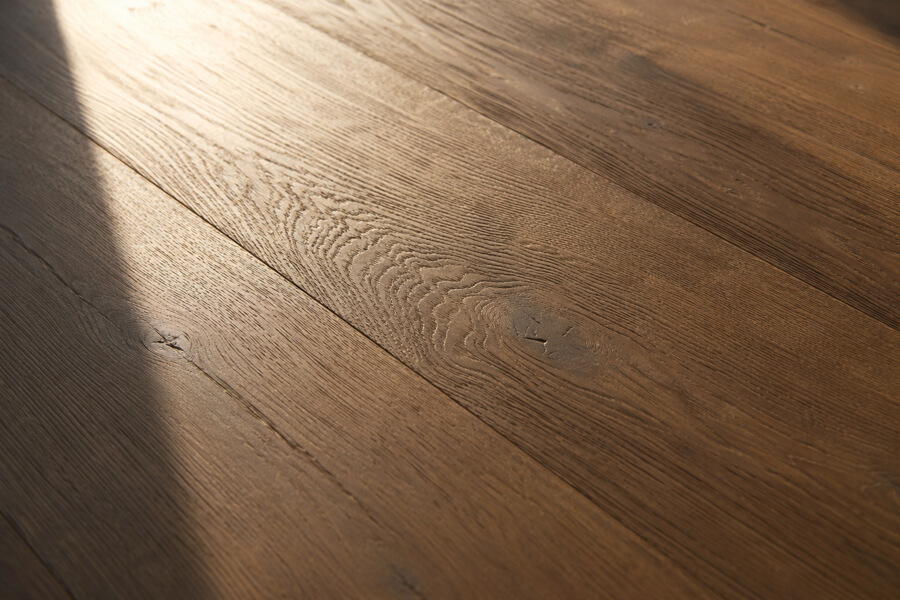
Oil finishes use natural ingredients like linseed, soy, or tung oil to saturate the wood pores deeply, enhancing the organic character and unique grain variations of the planks. Instead of sitting on top of the wood like a clear shield, the oil becomes part of the physical wood structure itself. This creates an authentic texture underfoot where you can actually feel the distinct ridges and growth rings of the wood grain rather than a perfectly smooth, manufactured film.
The visual result is a deep, low-luster matte appearance that completely absorbs light rather than reflecting it, which is ideal for large rooms with floor-to-ceiling windows where glaring sunlight can emphasize dust particles. While oil-finished floors require periodic reapplication of specialized maintenance oils to keep the wood from drying out, they offer an incredible advantage for busy areas. Minor scratches and scuffs can be buffed out locally with a small drop of wood oil and a soft micro-fiber cloth, entirely eliminating the need to sand down the entire room for minor accidents.
Designing Around Your Daily Routine
Selecting the ideal combination of wear layer thickness and finish type requires an honest assessment of how your family utilizes each room in your home. High-traffic thoroughfares like main entryways, busy kitchens, and central living rooms demand a very different protection strategy than quiet home offices, formal dining spaces, or primary bedrooms. By matching the technical floor specifications to the unique physical demands of your space, you prevent early wear patterns and enjoy a consistent look throughout your layout.
Natural light exposure also plays a significant role in how specific finishes age over the decades. Direct sunlight streaming through southern-facing windows can accelerate the natural color changing process of certain wood species, a factor that high-quality UV-cured factory finishes help mitigate. Considering the unique architecture of your home alongside your personal lifestyle ensures your chosen material looks grounded and intentional for the long haul.
For mudrooms, transitional hallways, and open-concept kitchens, a thick wear layer paired with a low-sheen aluminum oxide polyurethane finish provides excellent security. The tough top coat handles the grit tracked in from the outdoors, while the thick veneer gives you long-term peace of mind if you ever need to restore the area. If you prefer a more rustic or organic aesthetic, a wire-brushed wood texture with a penetrating oil finish works beautifully in high-traffic zones, as new marks simply blend into the existing character of the wood.
In primary bedrooms, quiet upstairs hallways, or formal sitting rooms, you can comfortably explore thinner wear layers and specialized delicate finishes without worry. These areas rarely experience the heavy impact of dropped kitchen items or coarse outdoor dirt, allowing the natural elegance of the wood to remain pristine with minimal intervention. Tailoring your selections this way allows you to allocate your flooring investment strategically across your entire floor plan, spending where you need maximum defense and saving where you do not.
Securing Your Flooring Investment
Taking the time to understand the structural differences between surface treatments empowers you to make a choice that aligns perfectly with your long-term goals for your property. A new floor is the literal foundation of your interior design, influencing the warmth, acoustics, and comfort of every single room. By selecting the right structural specifications today, you ensure your home remains inviting, resilient, and remarkably easy to manage for years to come.
At Kelly's Carpet & Furniture, we’ll help you explore your options and find the right flooring for your home in Council Bluffs, IA.